

Michigan homeowners know the profound beauty of our state’s changing seasons – from the vibrant greens of spring and the warmth of summer to the breathtaking colors of autumn. But what if you could extend your enjoyment of these transitional periods, bridging the gap between indoor comfort and outdoor serenity without the full commitment of a year-round addition? Enter the three-season room: a versatile, light-filled sanctuary designed to maximize your connection with nature for the better part of the year.
At Apex Homeworks, we understand the unique desires of homeowners in Macomb, Oakland, and Wayne counties. We specialize in transforming homes with thoughtful, quality additions, and a three-season room often emerges as a popular and highly rewarding option. This comprehensive guide will delve into the distinct advantages and potential drawbacks of installing a three-season room, explore the factors influencing its cost, and highlight the array of traditional and innovative features that can make yours truly unique.
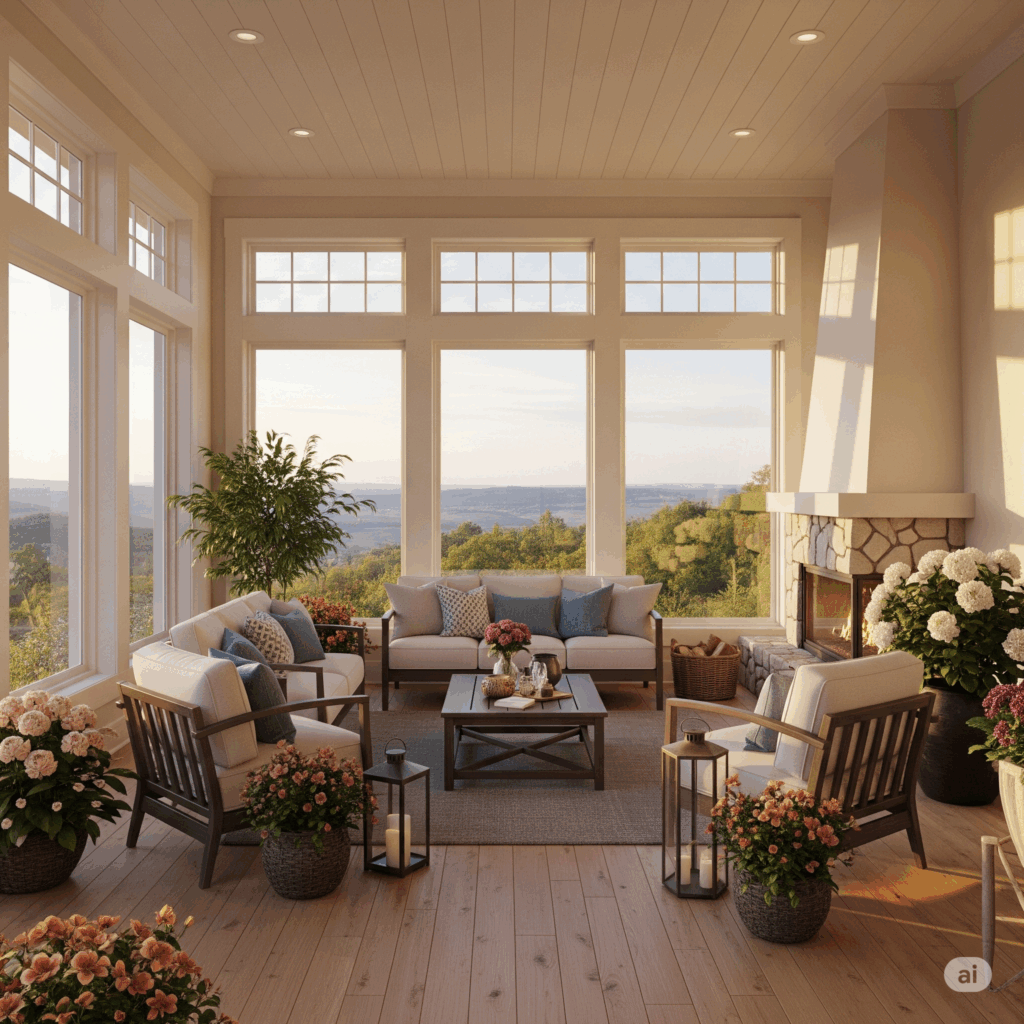
What Exactly is a Three-Season Room?
Before we dive into the details, let’s clarify what a three-season room entails. Unlike a fully insulated, climate-controlled four-season sunroom, or a simple screened-in porch, a three-season room strikes a harmonious balance. It’s an enclosed space, typically built with a solid roof and large, operable windows (often made of glass or durable vinyl), designed to protect you from the elements – insects, rain, wind, and even pollen – while allowing you to bask in natural light and enjoy fresh air.
The “three seasons” typically refer to spring, summer, and fall, where the room can be comfortably used without the need for a dedicated, integrated HVAC system. While not designed for harsh Michigan winters without supplemental heating, many homeowners find ways to extend its usability well into the colder months with portable heating solutions.
The Allure of the Three-Season Room: Pros and Cons
Deciding to add any significant structure to your home is a big decision, and a three-season room is no exception. Understanding both its advantages and disadvantages is crucial for making an informed choice that aligns with your lifestyle and property.
The Pros: Expanding Your Horizon
- Extended Enjoyment of the Outdoors: This is arguably the most significant benefit. Imagine sipping your morning coffee surrounded by the budding greenery of spring, hosting a summer dinner party without battling mosquitoes, or watching the leaves change color in autumn, all from the comfort of an enclosed space. A three-season room allows you to truly immerse yourself in the natural beauty of Michigan for a significantly longer portion of the year than an open deck or patio.
- Protection from the Elements and Pests: Say goodbye to unexpected rain showers ruining your outdoor plans or swarms of mosquitoes driving you indoors. The enclosure of a three-season room provides a valuable barrier against inclement weather, bothersome insects, and even falling leaves and debris. This means less time cleaning and more time relaxing.
- Increased Living Space and Versatility: A three-season room effectively adds square footage to your home, offering a flexible space that can serve many purposes. It can be a sun-drenched breakfast nook, a tranquil reading room, an informal dining area, a play space for children, a home office with a view, or an ideal spot for entertaining guests. Its adaptability is a major draw for homeowners looking for more functional space without a full-blown, costly home addition.
- Abundant Natural Light: With expansive windows, a three-season room is bathed in natural light, creating a bright, airy, and inviting atmosphere. This can have a positive impact on your mood and well-being, bringing the cheerfulness of the outdoors inside.
- Enhanced Curb Appeal and Home Value: A well-designed and professionally installed three-season room can significantly enhance your home’s aesthetic appeal, making it stand out in the neighborhood. Furthermore, it often adds considerable value to your property, proving to be a wise investment should you decide to sell in the future. While the ROI can vary, many sources suggest a healthy return on investment, particularly when compared to other types of additions.
- More Affordable than a Four-Season Room: Generally, three-season rooms are less expensive to build than their four-season counterparts. This is primarily because they don’t require the same level of insulation, extensive HVAC integration, or specialized windows designed for extreme temperature regulation, making them a more budget-friendly option for many homeowners.
- Low Maintenance: Compared to an open deck or patio, a three-season room is easier to maintain. Furniture and decor are protected from direct sun, rain, and snow, leading to less wear and tear. The enclosed nature also means less sweeping and cleaning of outdoor debris.
The Cons: Considerations Before You Build
- Limited Year-Round Use Without Supplemental Heating: As the name suggests, a three-season room is not designed for comfortable use during the depths of a Michigan winter without supplemental heating. While portable electric heaters or even a gas fireplace can extend its usability, it won’t be as warm or energy-efficient as a fully integrated, insulated room connected to your home’s central heating system.
- Not Connected to Main HVAC: This is a key distinguishing factor. Because it’s typically not tied into your home’s heating and cooling system, maintaining a consistent temperature can be a challenge during extreme hot or cold spells. While windows can be opened for airflow in summer and portable heaters used in cooler weather, it won’t offer the same climate control as a true interior room.
- Potential for Temperature Fluctuations: Even within the “three seasons,” temperatures can fluctuate. On very hot summer days, even with windows open and ceiling fans, the room can become warm, especially if it receives significant direct sunlight. Conversely, on chilly spring or fall evenings, it can get quite cool without additional heating. Proper shading and ventilation are key considerations in the design phase.
- Cost: While more affordable than a four-season room, a three-season room is still a significant investment. It involves construction, materials, and professional installation, which can add up. It’s crucial to have a clear understanding of the potential costs involved before embarking on the project.
- Building Permits and Regulations: Like any significant home addition, installing a three-season room will require adhering to local building codes and obtaining the necessary permits from your municipality in Macomb, Oakland, or Wayne County. This process can sometimes be complex and time-consuming, necessitating careful planning and adherence to regulations. Apex Homeworks has extensive experience navigating these requirements for homeowners in the region.
- Potential for Condensation: In certain conditions, particularly when there’s a significant temperature difference between the inside and outside, condensation can form on the windows. While modern window technologies help mitigate this, it’s a factor to be aware of.
Understanding the Investment: Potential Costs of a Three-Season Room
The cost of installing a three-season room can vary widely, influenced by several critical factors. It’s essential to understand that the figures provided here are estimates only and not definitive quotes. Every project is unique, and a precise quote can only be determined after a thorough on-site evaluation by a qualified professional like Apex Homeworks.
Factors influencing cost include:
- Size and Dimensions: Naturally, a larger room will require more materials and labor, directly impacting the overall cost.
- Materials Used: The choice of framing materials (e.g., aluminum, vinyl, wood), window types (single-pane, double-pane, low-E glass), roofing materials (shingles, metal, polycarbonate), and flooring will significantly affect the price.
- Foundation Requirements: Whether the room is built on an existing concrete patio or deck, or requires a new foundation (slab, piers, or crawl space), will influence the cost. A new, engineered foundation will add to the expense.
- Site Preparation: The complexity of preparing the site, including grading, excavation, and existing structure removal, can impact costs.
- Customization and Features: The more custom elements and specialized features you incorporate, the higher the price will be.
- Geographic Location: While these estimates are tailored for Michigan, regional labor rates and material costs can still fluctuate within Macomb, Oakland, and Wayne counties.
Based on our experience and general industry trends in Michigan, here are some estimated cost ranges for common three-season room sizes:
- Small (e.g., 8×10 feet, 80 sq ft): You might expect a range of $8,000 to $20,000+. This size is suitable for a cozy sitting area or a small dining nook.
- Medium (e.g., 10×12 feet, 120 sq ft): Costs could range from $12,000 to $35,000+. This offers a more versatile space for lounging and entertaining.
- Large (e.g., 12×16 feet, 192 sq ft): Expect a range of $18,000 to $50,000+. This provides ample space for multiple seating arrangements or a larger dining area.
- Larger/Custom Sizes (e.g., 16×20 feet, 320 sq ft and up): For more expansive or highly customized designs, costs can easily exceed $50,000, reaching into the $70,000+ range, especially with premium materials and advanced features.
Important Note on Estimates: These are broad ranges. A smaller room with high-end materials and complex site work might cost more than a larger room with basic finishes on an existing, ready-to-build foundation. Factors like the specific contractor, current material prices, and the intricacies of your home’s architecture all play a role. Always obtain detailed, written estimates for your specific project.
Features That Elevate Your Three-Season Room Experience
The beauty of a three-season room lies in its adaptability and the ability to customize it to perfectly suit your needs and aesthetic preferences. Beyond the basic structure, a myriad of features, both traditional and uniquely innovative, can transform your space.
Traditional and Timeless Features:
- Window Types:
- Sliding Windows: Extremely popular for three-season rooms, allowing for significant airflow and easy operation.
- Double-Hung Windows: Offer classic aesthetics and good ventilation.
- Casement Windows: Provide excellent ventilation as they crank open wide, often preferred for maximizing air circulation.
- Low-E Glass: While three-season rooms aren’t fully insulated, Low-E (low-emissivity) glass can significantly improve energy efficiency by reducing heat transfer, keeping the room cooler in summer and warmer on cooler days. It also helps protect furniture from UV fading.
- Roofing:
- Shingled Roof: Creates a seamless look, matching your existing home’s roofline. This is a common and aesthetically pleasing choice.
- Metal Roof: Offers durability, longevity, and a contemporary look.
- Polycarbonate Roof Panels: Allow light to filter through, creating a brighter space.
- Flooring:
- Tile: Durable, easy to clean, and handles temperature fluctuations well.
- Engineered Hardwood or Laminate: Can provide a warmer, more traditional feel, but ensure they are rated for outdoor or sunroom use to prevent warping or fading.
- Outdoor Carpet/Rugs: Add warmth, comfort, and sound absorption.
- Concrete (stained or sealed): A simple, durable, and modern option.
- Ceiling Finishes:
- Vaulted Ceilings: Create a sense of spaciousness and grandeur.
- Tongue-and-Groove Paneling (e.g., cedar, pine): Adds warmth, character, and a rustic charm.
- Drywall: Provides a clean, finished look, similar to an interior room.
- Lighting:
- Ceiling Fans with Lights: Essential for air circulation and ambient lighting during warmer months.
- Recessed Lighting: Provides subtle, even illumination.
- Wall Sconces: Add decorative accents and task lighting.
- Outdoor String Lights: Can create a magical, cozy ambiance for evening use.
- Screen Options:
- Traditional Fiberglass Screens: Keep insects out while allowing airflow.
- Heavy-Duty Pet Screens: More durable for homes with pets.
- Retractable Screens: Can be pulled down when needed and hidden away when not, offering maximum flexibility.
New and Unique Features for a Modern Touch:
- Integrated Shading Solutions:
- Motorized Blinds or Shades: Offer convenient control over sunlight and privacy with the touch of a button.
- Exterior Awnings: Provide additional shade during peak sun hours, reducing heat gain.
- Smart Home Integration:
- Smart Lighting: Control brightness and color temperature from your phone.
- Smart Fans: Program fan speeds and schedules for optimal comfort.
- Smart Outlets: Control plugged-in devices remotely.
- Outdoor-Rated Entertainment:
- Weatherproof Televisions: Designed to withstand temperature fluctuations and moisture, allowing for outdoor movie nights or sports viewing.
- Integrated Sound Systems: Built-in speakers for high-quality audio without clutter.
- Supplemental Heating Solutions (for extended use):
- Electric Fireplaces: Provide warmth and ambiance without the need for venting.
- Infrared Heaters (Wall or Ceiling Mounted): Efficiently warm objects and people, ideal for targeted heating.
- Small, Vented Gas Stoves: Can offer significant warmth, but require proper venting.
- Specialty Glass:
- Self-Cleaning Glass: Features a coating that breaks down organic dirt when exposed to sunlight, making cleaning easier.
- Tinted or Reflective Glass: Reduces glare and heat gain.
- Bi-Fold or Multi-Slide Doors: Instead of standard sliding doors, these can open up an entire wall, blurring the lines between the three-season room and your outdoor space, creating an incredible indoor/outdoor living experience.
- Skylights or Transom Windows: Maximize natural light from above, creating an even brighter and more open feel.
- Outdoor Kitchenette/Bar Area: Incorporate a small wet bar, mini-fridge, or even a grill station for effortless entertaining.
- Custom Built-ins: Integrated seating, shelving, or storage solutions to maximize space and functionality.
When considering these features, it’s vital to discuss them with experienced professionals who can advise on their suitability for a three-season room environment and ensure proper installation and durability.
Your Trusted Partner in Home Transformation
Adding a three-season room to your home in Macomb, Oakland, or Wayne County is an investment in your lifestyle and your property’s value. It’s a chance to create a personal retreat, a vibrant entertaining space, or a peaceful connection to nature, all within the comfort of your home.
The journey to your ideal three-season room involves careful planning, expert design, and meticulous construction. This is not a DIY project; it requires the expertise of seasoned professionals who understand local building codes, material science, and the nuances of creating a durable, beautiful, and functional space that seamlessly integrates with your existing home.
At Apex Homeworks, we pride ourselves on delivering exceptional craftsmanship and unparalleled customer service. We work closely with our clients throughout Macomb, Oakland, and Wayne counties to understand their vision, discuss all available options, and provide transparent, detailed estimates. Our team of skilled professionals ensures that every aspect of your three-season room project, from foundation to finishing touches, is executed with precision and care.
Don’t let another spring, summer, or fall pass by without fully experiencing the beauty of your Michigan home and its surroundings.
Ready to explore the possibilities and receive a personalized estimate for your dream three-season room?
Contact Apex Homeworks today at 888-979-2739 or visit us online at www.apexhomeworks.com. Let us bring your vision to life!